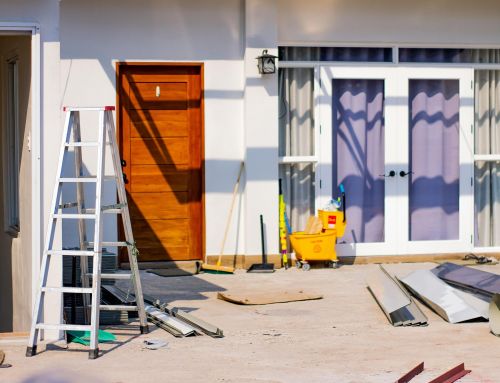
If you are new to Florida homeownership, hurricane season is something you need to take seriously from your very first year. If you have lived here for a while, you know that preparation is not something you want to leave until a storm is already in the forecast. The time to prepare is before the season begins, not when a hurricane watch has already been issued.
Hurricane season runs officially from June 1 through November 30, with the peak of activity typically occurring between August and October. Here is what every Central Florida homeowner should have in place before the season begins.
Know your zone and your risk
Central Florida sits inland from both coasts, which provides some protection from direct storm surge, one of the most dangerous aspects of a landfalling hurricane. However, inland areas are still very much at risk from high winds, tornadoes spawned by tropical systems, and significant rainfall that can cause flooding well away from the coast.
Know your evacuation zone designation. Orange, Seminole, and Osceola Counties all maintain evacuation zone maps that are available through their emergency management websites. Understand which zone you are in and what that means for your evacuation obligations if a major storm approaches.
For Orange County emergency management visit ocfl.net. For Seminole County visit seminolecountyfl.gov. For Osceola County visit osceola.org.
Inspect and prepare your roof
Your roof is your home’s first line of defense in a storm. Before hurricane season begins, inspect your roof for missing or damaged shingles, deteriorating flashing around vents and chimneys, and any areas where water may already be infiltrating.
If your roof is approaching the end of its useful life, consider replacing it before storm season rather than dealing with storm damage on top of an already compromised roof. A roof in good condition is also essential for maintaining your homeowner’s insurance coverage and keeping your premiums manageable.
Protect your windows and doors
Wind-driven debris is one of the primary ways homes sustain damage during hurricanes. Hurricane shutters, impact-resistant windows, or plywood panels cut to fit your windows provide protection against debris penetration.
If your home does not already have permanent hurricane protection, know your plan for temporary protection before a storm arrives. Cutting and labeling plywood panels in advance means you are not scrambling at a hardware store with empty shelves when a storm is approaching.
Garage doors are a particular vulnerability. A garage door that fails in high winds can allow wind to enter the structure and cause significant damage. Have your garage door inspected and consider bracing if it is not already rated for hurricane-force winds.
Trim your trees and landscaping
Overhanging branches and poorly maintained trees become dangerous projectiles in high winds. Before hurricane season, have large trees near your home evaluated by a certified arborist and trim any branches that could strike your home or power lines in a storm.
Remove or secure any outdoor furniture, decorations, or equipment that could become airborne. What seems like a minor item in calm weather can cause significant damage when driven by hurricane-force winds.
Review your insurance coverage
Before hurricane season begins, review your homeowner’s insurance policy carefully. Understand your hurricane deductible, which in Florida is typically stated as a percentage of your insured value rather than a flat dollar amount. Know what is covered, what is excluded, and how to file a claim if you need to.
If you do not have flood insurance and your property has any flood risk, hurricane season is a reminder of why it is worth considering. Standard homeowner’s insurance does not cover flood damage and hurricanes frequently bring significant flooding well inland from the coast.
Prepare an emergency kit and a plan
Every Florida household should have a basic emergency kit that includes water, non-perishable food, medications, important documents, flashlights, batteries, a battery-powered or hand-crank radio, and a first aid kit. The general recommendation is to have supplies sufficient for at least several days without outside assistance.
Have a family communication plan that includes an out-of-state contact who can serve as a central point of communication if local phone lines are overwhelmed. Know where you will go if you need to evacuate and have that plan in place before a storm is threatening.
Document your belongings
Before storm season, take a thorough video walkthrough of your home documenting your belongings and their condition. Store this documentation in a cloud service or with a trusted person outside your area. If you need to file an insurance claim after a storm, this documentation can make the process significantly smoother.
After a storm
If your home sustains damage in a storm, document everything thoroughly with photos and video before making any repairs. Contact your insurance company promptly to begin the claims process. Be cautious about contractors who appear unsolicited after a storm offering quick repairs. Unfortunately, post-storm contractor fraud is common in Florida and working with licensed, established contractors protects you.
A well-prepared home is a better-protected home and a more valuable one. If you have questions about how storm preparedness affects your home’s value or insurability in Central Florida, we are happy to talk.