Homeowner’s insurance in Florida is unlike homeowner’s insurance almost anywhere else in the country. The combination of hurricane risk, flooding, aging housing stock, and a complicated insurance market has made Florida one of the most challenging states in the nation for homeowners seeking affordable, reliable coverage.
Understanding how the Florida insurance market works, what drives your costs, and what you can do to protect yourself is essential knowledge for any Florida homeowner.
Why Florida insurance is different
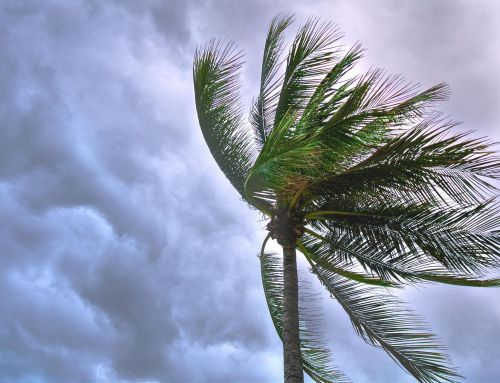
Florida’s exposure to hurricanes and tropical storms makes it one of the highest-risk states in the country for property insurers. Several major national carriers have reduced their presence in Florida or stopped writing new policies in the state entirely in recent years, citing the frequency and severity of storm-related claims.
The result is a market where many Florida homeowners are insured by smaller regional carriers or by Citizens Property Insurance Corporation, the state-backed insurer of last resort. Premiums have increased significantly across the state and the process of finding and maintaining coverage has become more complicated than in most other markets.
What standard homeowner’s insurance covers and does not cover
A standard Florida homeowner’s insurance policy typically covers damage from wind, fire, lightning, theft, and certain other named perils. It does not cover flood damage.
This distinction is critical in Florida. Flooding is one of the most common and costly causes of property damage in the state, and it requires a separate flood insurance policy. Flood insurance is available through the National Flood Insurance Program and through some private carriers.
If your property is in a designated Special Flood Hazard Area, your lender will require flood insurance as a condition of your mortgage. Even if your property is not in a high-risk flood zone, flood coverage is worth considering given Florida’s rainfall patterns and drainage challenges.
The roof is the most important factor
In Florida, the condition and age of your roof is the single most important factor in your homeowner’s insurance premium and your ability to obtain coverage at all. Many insurers will not write a policy on a home with a roof that is past a certain age, and roofs approaching the end of their useful life can make a home difficult or expensive to insure.
If you are purchasing a home, the roof age and condition should be a primary consideration in your evaluation. If you own a home with an aging roof, replacing it proactively can meaningfully reduce your insurance costs and makes your home more insurable and more marketable when you eventually sell.
Wind mitigation inspections
Florida offers homeowners the opportunity to have a wind mitigation inspection performed by a licensed inspector. The inspection evaluates features of your home that affect its ability to withstand hurricane-force winds, including roof shape, roof covering, roof deck attachment, and opening protection.
If your home has features that reduce wind risk, your insurer is required to apply credits to your premium. Many homeowners find that a wind mitigation inspection pays for itself many times over in annual premium savings. If you have not had one done, it is worth looking into.
Shopping for coverage
Because of the complexity of Florida’s insurance market, shopping for homeowner’s insurance requires more effort than in most states. Working with an independent insurance agent who has access to multiple carriers and understands the Florida market specifically is generally the best approach.
Get quotes from multiple carriers. Understand what is and is not covered under each policy. Pay attention to the deductibles, particularly the hurricane deductible which is often stated as a percentage of the insured value rather than a flat dollar amount.
Citizens Property Insurance
Citizens Property Insurance Corporation is Florida’s state-backed insurer of last resort. It was created to provide coverage when private market options are unavailable or unaffordable. In recent years, Citizens has become one of the largest insurers in the state as private carriers have pulled back.
There are ongoing legislative and regulatory efforts to reduce Citizens’ exposure and encourage more private market participation. Homeowners insured by Citizens should be aware that they may be subject to take-out offers from private carriers and should evaluate those offers carefully.
What buyers should know
If you are purchasing a home in Florida, get an insurance quote before you close, not after. The cost and availability of insurance can affect your total monthly housing cost significantly and in some cases can affect your ability to get a mortgage.
Your real estate agent and lender can help you factor insurance costs into your overall evaluation of a property. We make sure every buyer we work with understands the insurance landscape for any property they are seriously considering.
Buying a home in Central Florida and want to make sure you understand the full cost of ownership including insurance? We will make sure you have the complete picture before you commit.